
Maintaining Your Leather Goods: Expert Tips to Protect Your Investment
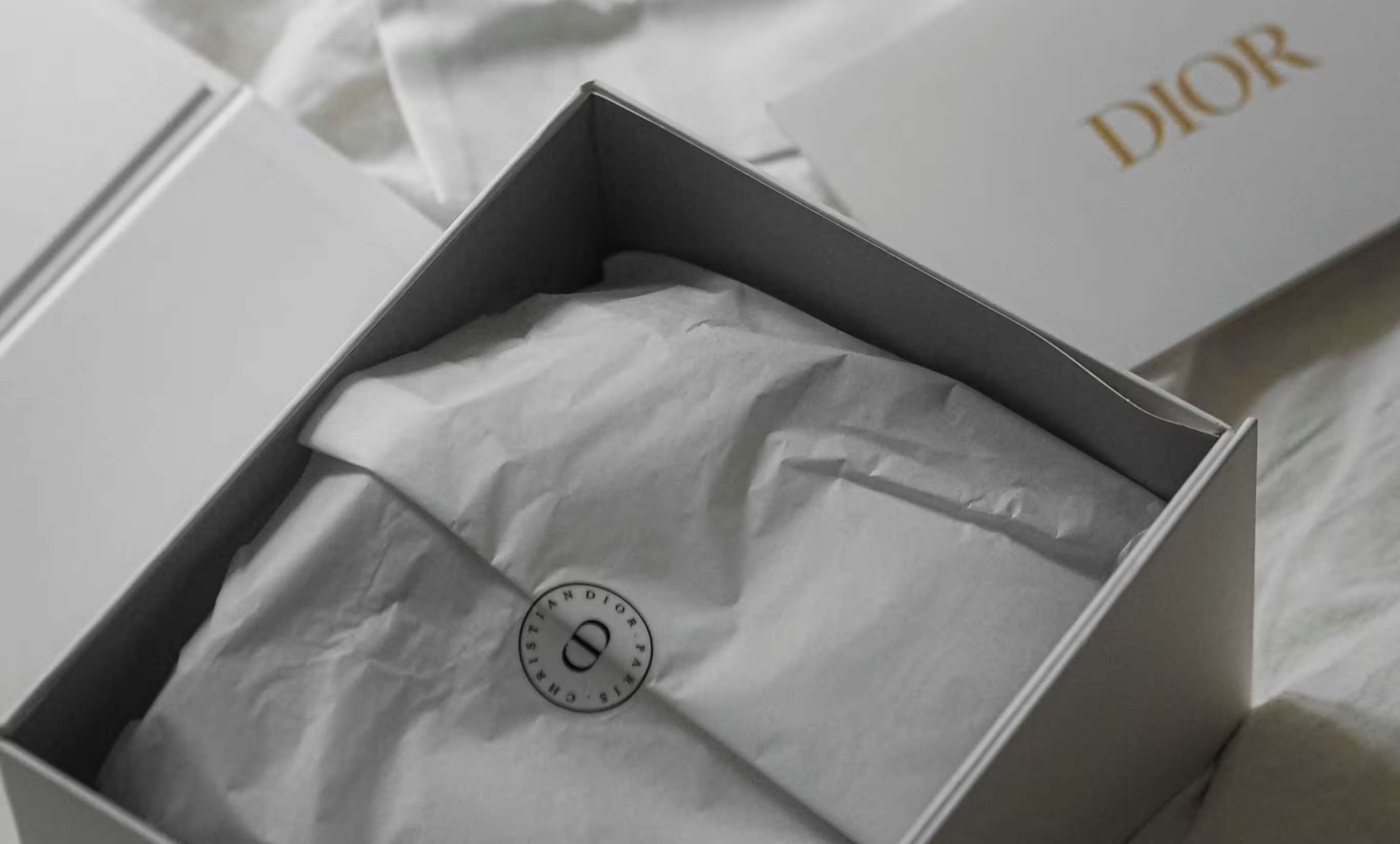

Luxury leather goods; from designer handbags to high-end shoes and accessories - are crafted to last. However, without proper care, even the finest leather can dry, crack, fade or lose structure over time.
Whether you own a Chanel flap, a Hermès Kelly, a Louis Vuitton tote or everyday leather footwear, correct maintenance protects both appearance and resale value.
Here’s how to properly care for your leather goods.
1. Store Leather Properly (Structure Matters)
Improper storage is one of the most common causes of long-term damage.
Best practice:
- Store in a cool, dry environment away from direct sunlight
- Lightly stuff handbags with acid-free tissue to maintain shape
- Keep structured bags upright
- Avoid hanging bags by their straps long-term
- Do not store leather in sealed plastic
Humidity and heat can cause mould, warping and dye migration - particularly in Australia’s coastal climates.
2. Keep Leather Clean - Gently
Surface dirt and body oils accumulate over time and can degrade leather fibres.`
Maintenance tips:
- Wipe down gently with a soft, dry microfibre cloth
- Avoid baby wipes or supermarket “leather wipes”
- Do not over-wet leather
- Spot clean cautiously — aggressive scrubbing can remove finish layers
Different leathers (lambskin, caviar, box calf, patent, suede) respond differently to cleaning. When in doubt, professional assessment is safest.
3. Condition - But Don’t Overdo It
Leather needs hydration - but excessive conditioning can soften structure and cause darkening.
- Use only high-quality, luxury-safe conditioners
- Apply sparingly
- Test in a discreet area first
- Avoid oils not designed for finished leather
Over-conditioning is particularly damaging for structured handbags.
4. Protect Against Colour Transfer
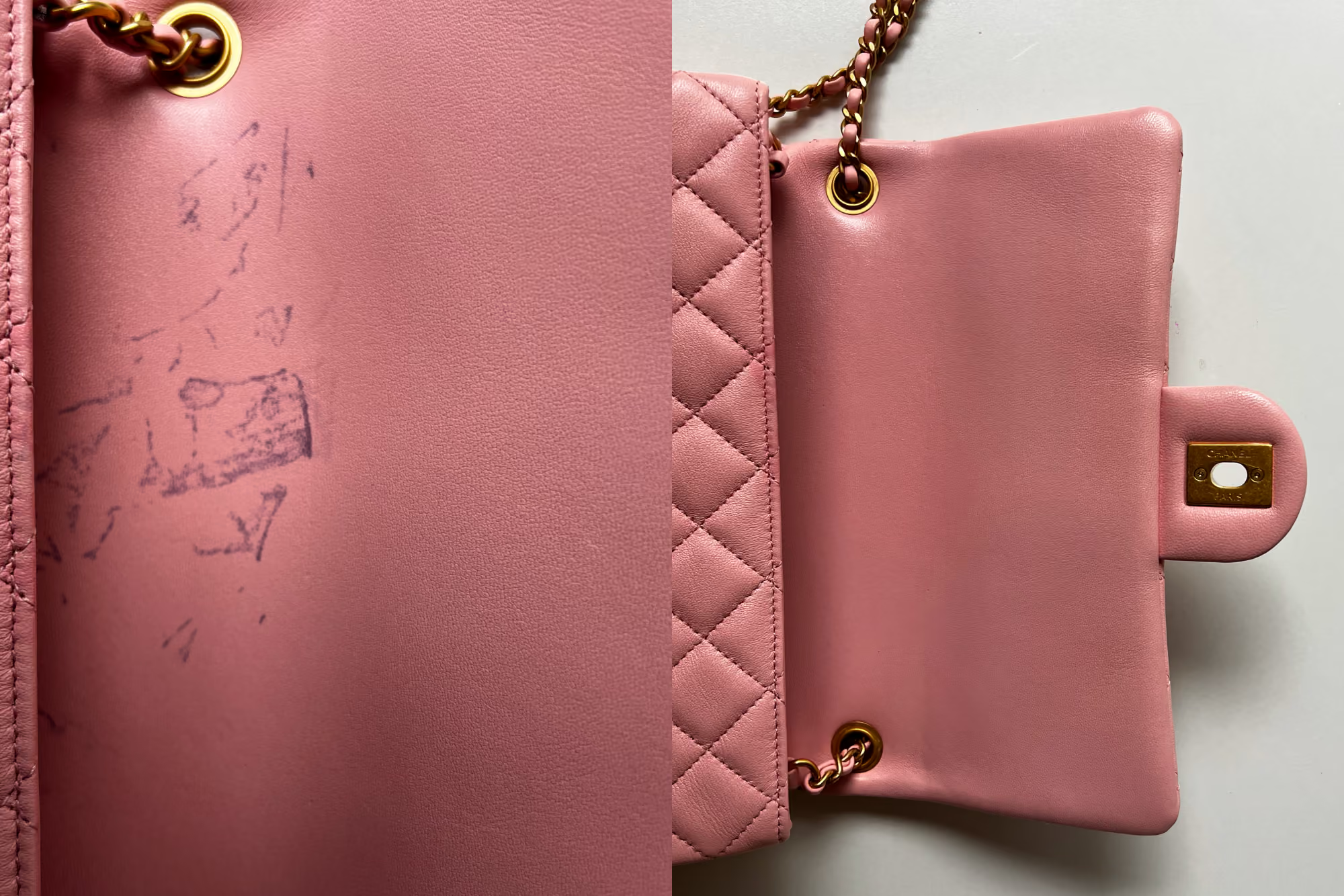
One of the most common restoration requests in Australia is colour transfer — especially on light-coloured handbags.
To reduce risk:
- Avoid wearing light bags against dark denim
- Be cautious with new clothing that may bleed dye (jeans, coloured silk, coloured suede)
- Store away from dark materials
Once colour transfer sets into porous leather, full reversal is not always possible.
5. Rotate Usage
Luxury items benefit from rest.
Frequent use without rotation accelerates:
- Corner wear
- Edge paint cracking
- Strap stress
- Hardware tarnishing
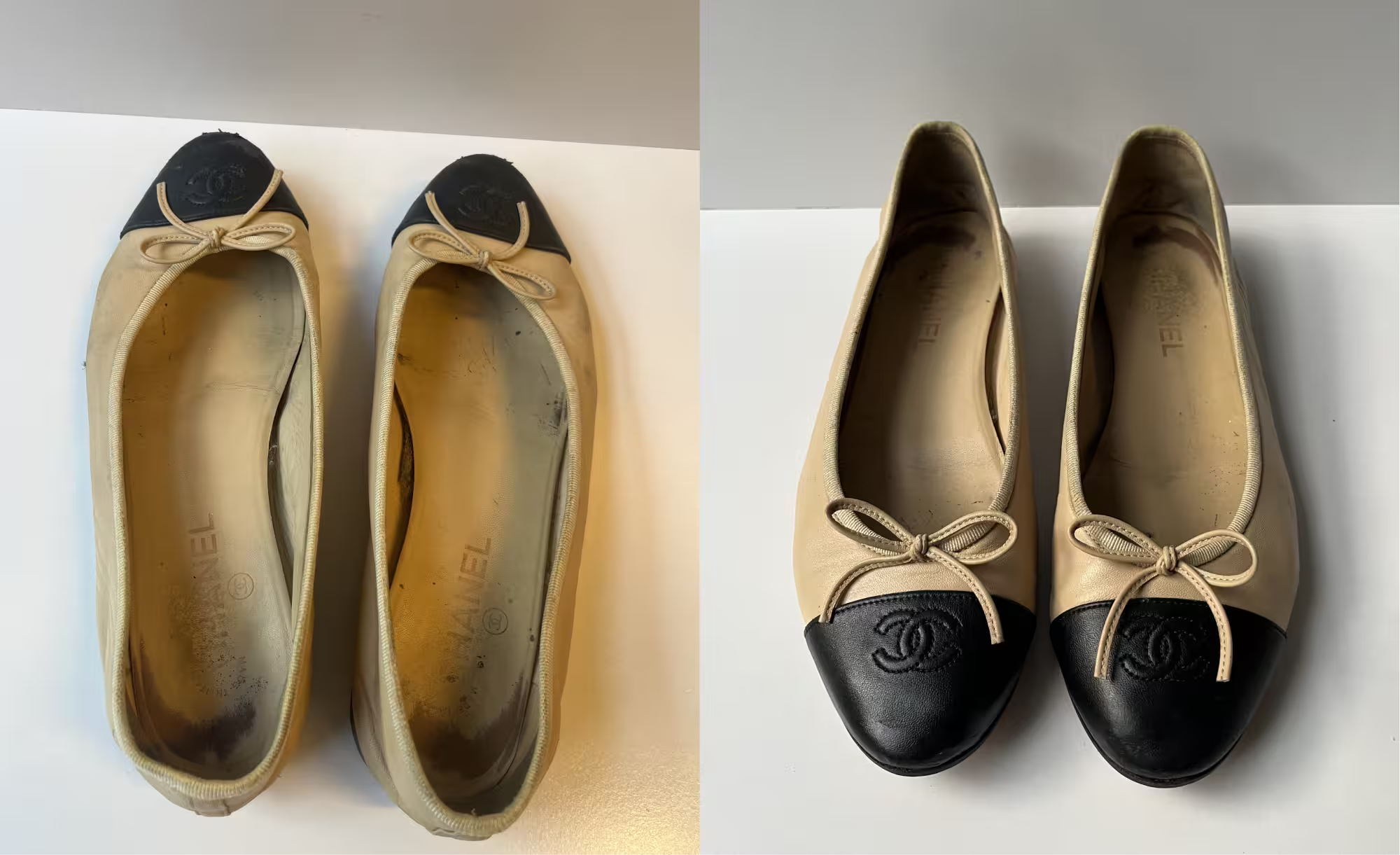
Rotating between bags and shoes extends longevity significantly.
6. Address Damage Early
Small issues become expensive repairs when ignored.
Early intervention can prevent:
- Minor scuffs turning into pigment loss
- Dry leather cracking
- Hardware corrosion spreading
- Structural collapse
Professional restoration is most effective in early stages.
7. Be Cautious With DIY Repairs
Online “hacks” often cause more harm than good.
Avoid:
- Nail polish for scuffs
- Permanent markers
- Shoe polish on handbags
- Household cleaning agents
- Superglue for structural issues
Improper products can permanently alter finish, texture and resale value.
8. Consider Professional Aftercare
Luxury leather goods are investments. Periodic professional cleaning and conditioning can maintain both aesthetic appeal and market value.
This is especially important if you intend to resell high-demand styles such as:
- Hermès Birkin or Kelly
- Chanel Classic Flap
- Louis Vuitton Neverfull
- Dior Saddle Bag
Condition significantly impacts resale pricing.
The Reco Lab’s Final Thoughts
Maintaining leather goods is not complicated - but it does require consistency and restraint.
Correct storage, gentle cleaning and early professional intervention can extend the life of your luxury pieces for years - protecting both their craftsmanship and their value.
Related posts
.avif)
%202.avif)
