
How to Prevent Dye Transfer on Designer Bags

Preventing Dye Transfer: Protecting Light Bags from Denim and Dark Clothing
We’ve published several case studies on removing dye transfer, the blue-grey shadow that dark denim leaves on light handbags, including our caviar Chanel removal and white Dior Saddle restoration. This guide is the other half of the story: not getting it in the first place. Of all the damage we treat, dye transfer is the most avoidable.
How it happens
Indigo and dark garment dyes are only loosely fixed to fabric, especially on raw and new denim, and they rub off with friction, warmth and humidity. A light bag worn against your hip does exactly that, all day long. The transfer builds invisibly at first, then one day reads as an undeniable blue tint on beige, white, pink or pale grey leather. Soft, porous leathers like lambskin absorb it fastest.
.avif)
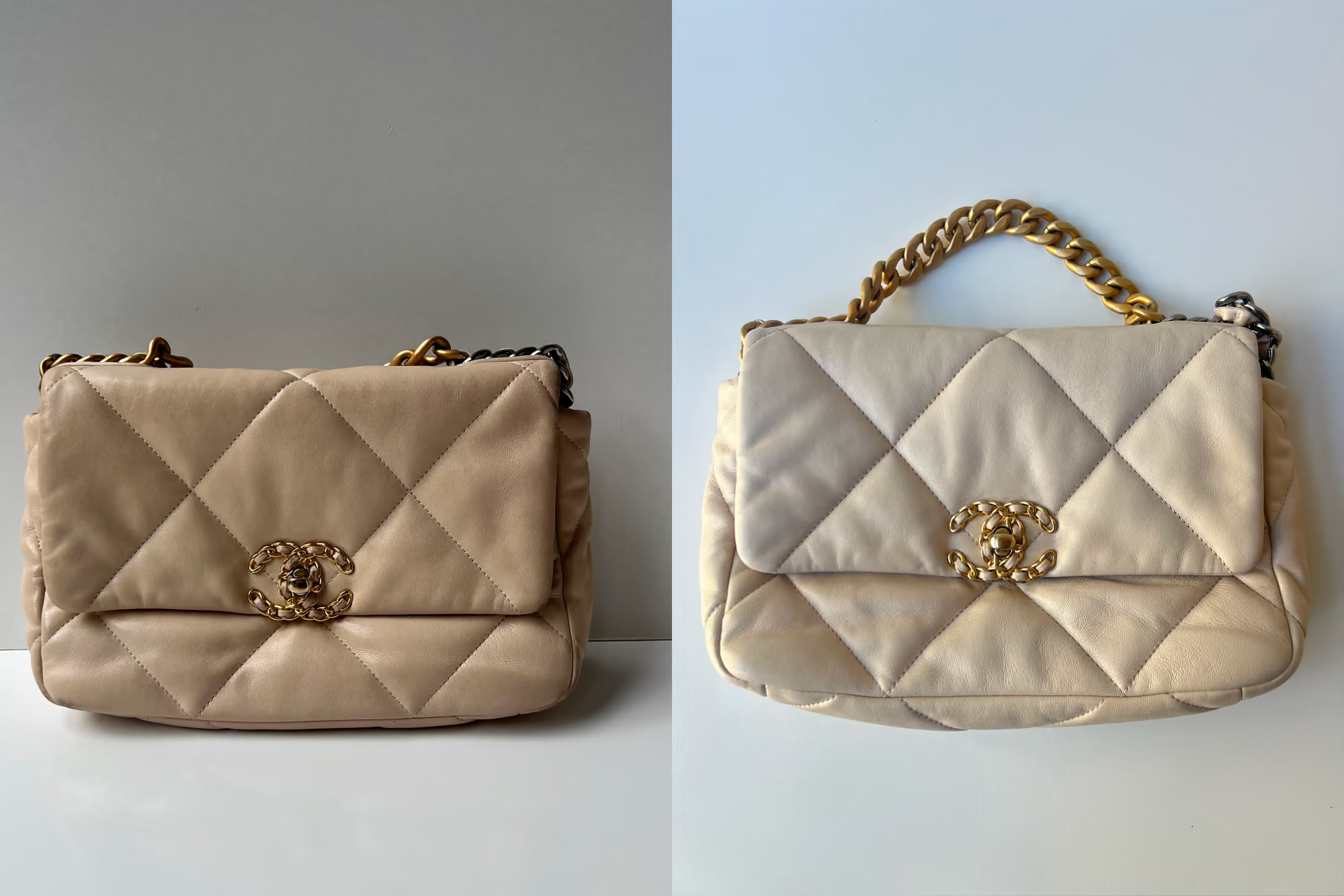
Before and after restoration of a beige Chanel bag, discoloration removed and color evened out
Prevention that actually works
Wash new dark denim several times before pairing it with a light bag. The loosest dye leaves in the first few washes, which is when jeans are most dangerous to pale leather.
Break the contact. Wear the bag crossbody on your jacket side, hand-carry it, or simply keep pale lambskin away from raw indigo altogether. No contact, no transfer.
Consider professional protective treatment. We can apply a barrier treatment suited to the leather that resists dye pickup and staining. It doesn’t make a bag invincible, but it buys valuable time and makes any marks far easier to remove.
Act early. Faint, fresh transfer is much easier to treat than months of accumulation, so check pale bags monthly under good light, especially along the panel that sits against your body.
.avif)
If it’s already happened
Don’t scrub. Rubbing at home drives the dye deeper and strips the finish around it. Professional dye transfer removal combined with colour restoration returns most bags to clean, even colour, typically priced from around $110 to $260 depending on severity and spread.
Own a light-coloured bag you love? Ask about protective treatment before winter denim season. Prevention costs a fraction of restoration.
Case in point: A beige Chanel 19 vs dark denim
A beige Chanel 19 came into our atelier showing the classic pattern: a blue-grey cast concentrated along the panels that sit against the body, exactly where denim contact does its slow work. The soft leather of the 19 absorbs loose dye readily, and on a beige base even light transfer reads clearly.
Our artisans reduced the dye with controlled, leather-safe treatment, then restored the colour across the affected panels so the bag returned to one clean, even beige, with the quilting and finish preserved throughout. It's a repair we perform constantly on light Chanel pieces, and the reason we push prevention so hard: this owner's story starts the same way as most, with a favourite bag and a favourite pair of jeans.
.avif)
FAQ
Does leather protector spray stop dye transfer? Quality professional treatments significantly resist it. Supermarket sprays vary and can alter the finish, and nothing makes light leather fully immune, so habits matter too.
Which bag colours are most at risk? White, beige, blush, light grey and pale pastels. Anything a blue tint would show on.
Is dye transfer permanent? Rarely, if treated professionally and reasonably early. Long-set transfer may need colour restoration on top of stain reduction for a fully even result.
Related posts
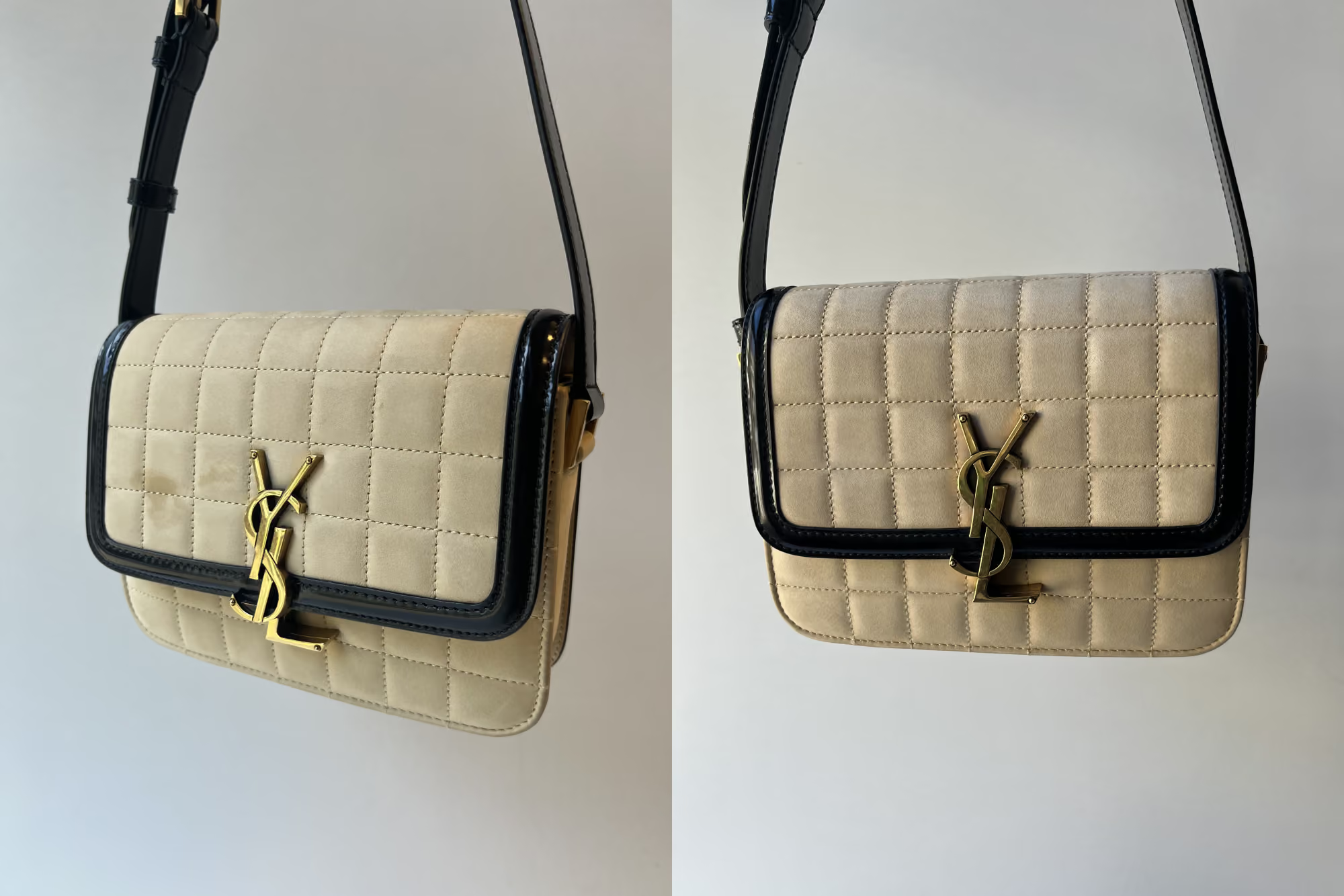
Suede Bag & Shoe Cleaning Sydney
%202.avif)
